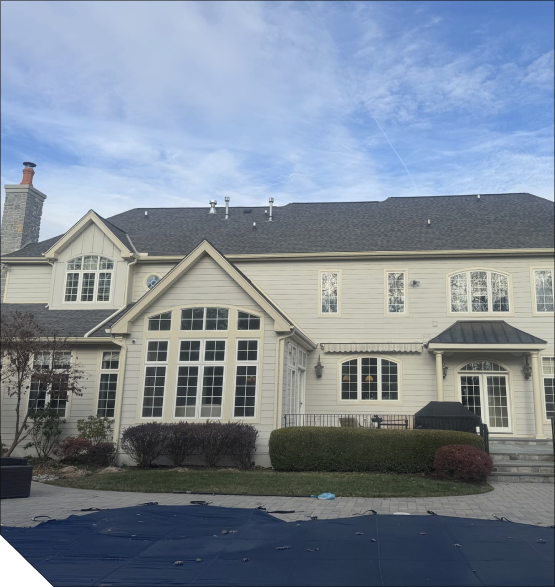
Ignoring damaged siding can allow water, air, insects, or small animals to reach parts of the exterior wall that should remain protected. Depending on the siding material and location of the damage, the problem may lead to wet insulation, deteriorated sheathing, wood decay, interior staining, pest entry, reduced comfort, and a larger repair scope.
Not every crack or loose panel means that serious concealed damage is present. However, missing siding, soft areas, recurring stains, open joints, storm damage, or problems around windows, doors, roofs, and utility penetrations should be inspected promptly.
The correct solution may be a localized siding repair, replacement of one wall section, or full siding replacement. The decision depends on the cause, extent of damage, condition of the underlying wall, age of the siding, and availability of matching material.
Signs Your Siding Should Be Inspected
Schedule an inspection when you notice:
- Missing, loose, or cracked siding
- Warped, buckled, or bulging panels
- Soft or deteriorated areas
- Open joints around windows and doors
- Recurring stains or discoloration
- Interior peeling paint near exterior walls
- Musty odors or damp insulation
- Pest activity near siding gaps
- Damage after hail, wind, or falling debris
These signs do not automatically mean that full replacement is necessary, but they can indicate that the exterior or the wall behind it needs further evaluation.
Seven Risks of Leaving Siding Damage Unresolved
1. Water may reach the wall assembly
Cracked, loose, missing, or poorly terminated siding can expose components behind the visible exterior. Water may also enter through failed flashing, open joints, or penetrations near windows, doors, roofs, and utilities.
If moisture cannot drain or the wall remains wet, insulation, sheathing, framing, and interior finishes may be affected.
2. Concealed wood components may deteriorate
Repeated moisture exposure can cause wood-based sheathing or framing to decay. Because these components are located behind the siding, the full extent of deterioration may not be visible from the exterior.
Soft areas, recurring staining, musty odors, or interior damage may justify further investigation.
3. Insulation may become wet or less effective
Water entering the wall can affect some types of insulation and reduce their performance. Damaged siding may also expose gaps that indicate a broader air-sealing or wall-system problem.
High energy bills alone do not prove that siding is the cause. Insulation, windows, doors, air leakage, HVAC equipment, and ductwork should also be considered.
4. Openings may provide access for pests
Gaps around damaged siding, trim, soffits, or penetrations may provide access for insects or small animals. Pest activity can also point to moisture or another opening that needs to be identified.
The source of the entry should be corrected rather than simply covered.
5. A small repair may become a larger project
A single loose or cracked panel may be relatively straightforward to repair when addressed early. If water continues to enter or adjacent materials deteriorate, the project may require removal of a larger area and repair of concealed components.
6. Matching the existing siding may become difficult
Colors, profiles, textures, and product lines change over time. Delaying a repair can make it harder to find siding that matches the existing exterior, particularly when the original material is discontinued or faded.
7. Visible damage can affect curb appeal and buyer confidence
Cracked, missing, faded, or warped siding can make an exterior look poorly maintained. Buyers and home inspectors may also question whether visible damage has affected the wall behind it.
The effect on a property sale depends on the extent of the damage, the estimated repair cost, and local market conditions.
Does Damaged Siding Need Repair or Replacement?
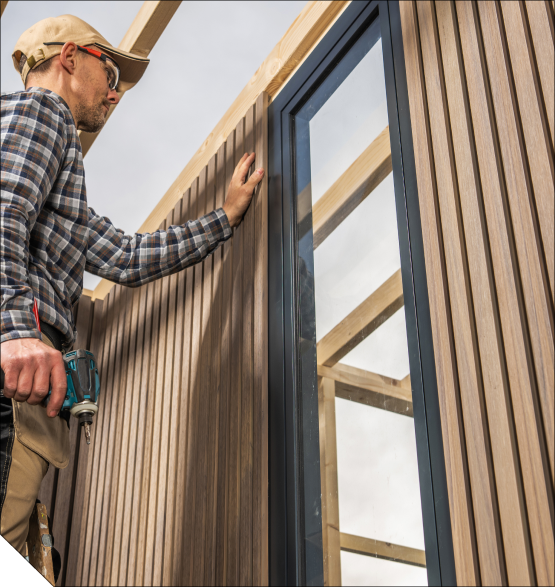
Localized siding damage can often be repaired when the surrounding material and underlying wall remain in good condition. Replacement may be more appropriate when the damage is widespread, the siding is brittle or discontinued, moisture has affected concealed components, or repeated repairs have failed to solve the cause.
| Condition | Repair may be appropriate | Replacement may be appropriate |
|---|---|---|
| One cracked or loose panel | Damage is isolated and matching material is available | Similar damage appears across several areas |
| Storm damage | Only a small section is affected | Multiple walls or large sections are damaged |
| Moisture concerns | No concealed deterioration is found | Sheathing, framing, or insulation is damaged |
| Fading | The issue is mainly cosmetic | Fading accompanies brittleness, cracking, or age |
| Warping | A small area has a repairable cause | Warping is widespread or linked to installation |
| Older siding | The rest of the exterior remains serviceable | Matching products are unavailable or the system is failing |
An exterior inspection should identify the cause of the damage before the repair scope is selected.
Common Warning Signs by Siding Material
Different siding materials can show damage in different ways.
| Siding material | Common warning signs |
|---|---|
| Vinyl siding | Cracks, impact holes, loose panels, warping, or buckling |
| Fiber-cement siding | Cracked boards, chipped edges, loose sections, or failed joints |
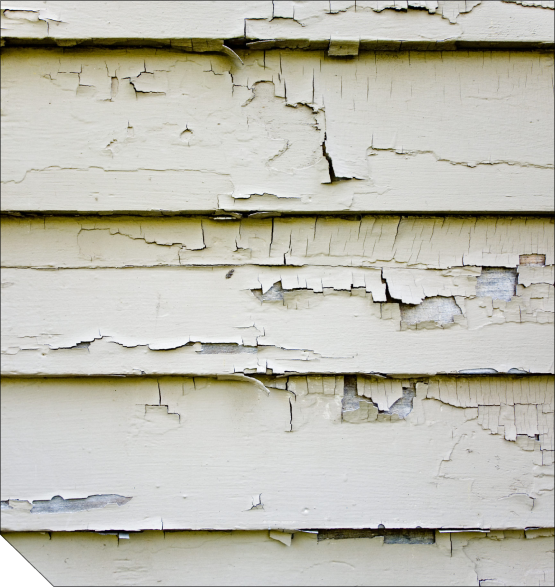
| Wood siding | Peeling finish, splitting, softness, swelling, or decay |
| Engineered wood siding | Edge swelling, finish failure, chipped surfaces, or loose boards |
The meaning of each symptom depends on its cause, location, and the condition of the surrounding wall.
Frequently Asked Questions About Siding Damage
How long can damaged siding be left unrepaired?
There is no safe universal waiting period. Missing panels, open gaps, storm damage, soft areas, or signs of water entry should be inspected promptly. Minor cosmetic damage may be less urgent, but its cause should still be identified.
Can one damaged siding panel be replaced?
Often, yes. A localized repair may be possible when the surrounding siding and wall remain in good condition and a compatible replacement can be found. Matching an older color or discontinued profile may be difficult.
How can I tell whether water is behind my siding?
Possible signs include recurring staining, soft areas, musty odors, peeling interior paint, damp insulation, or deterioration near windows and doors. These signs do not confirm the source, so further inspection may be necessary.
Does damaged siding always require replacement?
No. Localized damage may be repairable. Replacement becomes more likely when damage is widespread, materials are brittle or discontinued, concealed deterioration is present, or repeated repairs no longer solve the cause.
Does homeowners insurance cover siding damage?
Coverage depends on the policy and cause. Sudden storm damage may be treated differently from wear, aging, installation defects, or neglected maintenance. Homeowners should document the damage and contact their insurer for a coverage determination.
Can damaged siding increase energy bills?
It can contribute when damage is associated with gaps, wet insulation, or air leakage. However, energy use also depends on insulation, windows, doors, HVAC performance, ductwork, and other parts of the home.
How often should siding be inspected?
Inspect it periodically and after severe weather. Pay particular attention to loose panels, cracks, open joints, discoloration, penetrations, windows, doors, and roof-to-wall transitions.
How much does siding repair cost?
Cost depends on material, access, affected area, product availability, and whether damage is present behind the siding. An inspection is generally needed before a reliable project estimate can be provided.
Siding Damage in Delaware County and Southeastern Pennsylvania
Siding in Southeastern Pennsylvania may be affected by wind, hail, winter weather, moisture, shade, and repeated temperature changes. Damage is often most concerning around windows, doors, roof intersections, utility penetrations, and other exterior transitions.
Gormley Construction evaluates siding damage for homeowners in Delaware County and surrounding communities. An inspection can help determine whether the issue is limited to the visible siding or whether additional investigation is needed behind it.
Have Your Damaged Siding Evaluated
Visible siding damage does not always reveal the condition of the wall behind it. An inspection can help determine whether your home needs a localized repair, replacement of a larger section, or further investigation for moisture damage.
Gormley Construction provides siding repair and siding replacement services for homeowners in Delaware County and surrounding Southeastern Pennsylvania communities. Our team can evaluate visible damage, review vulnerable exterior transitions, and recommend an appropriate next step based on the condition of your home.
Request a free exterior estimate, explore our siding repair services, learn about siding replacement services, or view our completed exterior remodeling projects.
