
Stucco remediation is often the first step before upgrading a home’s exterior with stone, brick, or wood accents. While stucco provides a clean and durable finish, many homeowners choose to combine it with other materials to create depth and architectural interest.
When done correctly, mixed-material exteriors improve both appearance and long-term performance.
In this guide, we’ll explain how to combine stucco with stone, brick, or wood while protecting the integrity of your exterior system.

Why Address Stucco Issues Before Mixing Materials
Before adding new materials, the condition of the existing stucco must be evaluated.
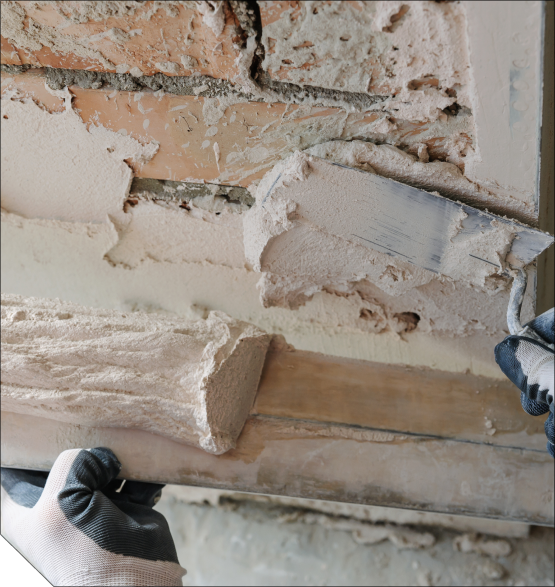
Small cracks, moisture intrusion, or hidden damage can compromise the structure behind the walls. Installing stone or wood over damaged stucco traps moisture and increases repair costs later.
Stucco remediation ensures:
- Moisture issues are corrected
- Damaged sheathing is repaired
- Proper barriers and flashing are installed
- The exterior system is structurally sound
Starting with a stable foundation prevents future failures.
Why Combine Stucco with Other Materials?
Stucco offers a smooth or lightly textured finish. On its own, large stucco surfaces can feel flat.
Adding brick, stone, or wood introduces:
- Contrast in texture
- Visual balance
- Defined architectural features
- Enhanced durability in high-exposure areas
Mixed materials also allow homeowners to modernize older homes without fully replacing the exterior system.
Stucco and Stone: Durable and Structured
Stone works well with stucco because it adds weight and definition.
Where Stone Is Most Effective
- Around entryways
- On lower façade sections
- On columns
- Around chimneys
Using stone at the base of the home protects areas exposed to water splash and snow buildup.
Design Considerations
Light stucco paired with gray stone creates a modern look.
Warm stucco tones with natural stone produce a more traditional appearance.
Proper flashing between materials is critical to prevent water intrusion.

Stucco and Brick: Balanced and Timeless
Brick introduces pattern and structure. Stucco softens the overall design.
This combination is common in:
- Colonial homes
- Tudor-style homes
- Craftsman designs
Placement Strategy
Brick often works best on lower levels or as an accent around windows and doors.
Matching undertones is important. Beige stucco pairs well with traditional red brick. Gray stucco contrasts well with darker brick tones.
Before installation, existing stucco should be inspected for moisture issues.

Stucco and Wood: Clean Lines with Natural Texture
Wood adds warmth and movement to stucco exteriors.
This pairing is popular in modern and farmhouse designs.
Effective Wood Placement
- Upper floor sections
- Window framing
- Accent walls
- Porch areas
Light stucco with natural cedar creates a clean but inviting look.
Wood requires maintenance, including sealing and inspection. Moisture control behind both materials is essential.
Designing a Balanced Mixed-Material Exterior
Combining materials requires planning.
Too much contrast can overwhelm the façade.
A Practical Rule
Use stucco as the primary material.
Add stone or brick as the secondary feature.
Use wood as an accent.
Keeping proportions balanced creates a cohesive result.
Pay Attention to Transitions
Transitions between materials must include:
- Proper flashing
- Moisture barriers
- Clean trim details
Without these, water can enter behind the exterior system.
Why Stucco Remediation Matters in Delaware County, PA
Homes in Delaware County experience:
- Frequent rain
- Seasonal humidity
- Freeze-thaw cycles
These conditions increase the risk of moisture intrusion behind stucco.
Before combining materials, stucco remediation may be necessary to:
- Remove damaged sections
- Replace rotted sheathing
- Install updated moisture barriers
- Improve drainage around openings
Addressing these issues first prevents future structural damage.
Common Mistakes When Mixing Exterior Materials
Homeowners sometimes:
- Install new materials over compromised stucco
- Ignore flashing details
- Choose materials without considering drainage
- Focus only on appearance
Exterior upgrades should improve performance, not just style.
Planning Your Exterior Upgrade in Delaware County, PA
If you’re considering combining stucco with stone, brick, or wood, begin with a professional evaluation.
An inspection can determine whether stucco repair or full stucco remediation is needed before adding new materials.
Correct preparation ensures:
- Long-term durability
- Moisture protection
- Strong material transitions
- Reduced maintenance issues
FAQs About Stucco Remediation and Mixed-Material Exteriors
Do I need stucco remediation before adding stone or brick?
If your stucco shows cracks, staining, soft spots, or moisture intrusion, remediation should be completed first. Installing new materials over damaged stucco can trap moisture and worsen structural problems. A proper inspection helps determine whether repair or full stucco remediation is necessary.
How do I know if my stucco has moisture damage?
Common signs include:
- Cracks that continue to widen
- Dark streaking or discoloration
- Bulging or soft wall sections
- Interior water stains near exterior walls
- Musty odors
Moisture testing is the most reliable way to confirm hidden damage.
Can mixed materials increase the risk of leaks?
They can if transitions are not detailed correctly. Flashing, moisture barriers, and proper sealing between materials are critical. When installed correctly, combining stucco with stone, brick, or wood does not increase leak risk.
Is stucco remediation common in Delaware County, PA?
Yes. Homes in Delaware County face frequent rain, humidity, and freeze-thaw cycles. These conditions increase the risk of moisture intrusion behind stucco. Stucco remediation is often needed when older installations lack proper drainage systems.
Does stucco remediation mean removing all the stucco?
Not always. In some cases, remediation is limited to affected areas. If moisture damage is widespread, larger sections may need to be removed and rebuilt. The scope depends on inspection findings.
How long does stucco remediation last?
When performed correctly with updated moisture barriers and proper flashing, stucco remediation can last decades. Ongoing maintenance and regular inspections help extend the lifespan of the exterior system.
Will combining stucco with wood increase maintenance?
Wood requires more maintenance than stucco, stone, or brick. It must be sealed and inspected regularly. Choosing rot-resistant wood and ensuring proper moisture control reduces long-term issues.
Bringing Your Exterior Vision to Life
Combining stucco with other materials can significantly enhance curb appeal and architectural depth. However, the exterior system must function properly before design upgrades begin.
For homeowners seeking expert support, Gormley Construction Inc. provides stucco remediation in Delaware County, PA along with exterior renovations that integrate stone, brick, and wood correctly. Their team focuses on moisture control, structural integrity, and seamless material transitions.
If you are planning an exterior upgrade, learning more about stucco remediation in Delaware County, PA is the first step toward creating a durable and well-balanced home exterior.
