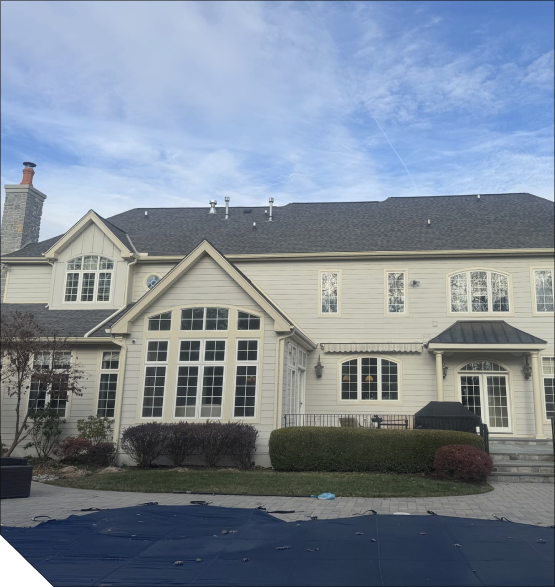
Stucco remediation helps homeowners stop mold from growing behind their exterior walls before it causes serious damage. Mold problems often begin out of sight, making them easy to miss until repairs become costly.
This article explains how mold forms behind stucco, what warning signs to watch for, and how proper remediation helps protect your home long term.
What Causes Mold Behind Stucco?
Mold needs moisture, organic material, and limited airflow to grow. Stucco is porous, which means it can absorb and hold water from rain and humidity.
When moisture gets trapped behind the stucco and cannot dry out, mold can begin to form.
Common causes include:
- Cracks or hairline fractures in stucco
- Improper flashing around windows and doors
- Poor drainage near the foundation
- Clogged or missing gutters
- High humidity and frequent rainfall
Even small moisture issues can create the right conditions for mold growth.
What Happens When Mold Grows Behind Stucco?
Mold behind stucco often spreads unnoticed because it is hidden within the wall system.
Over time, it can lead to:
- Musty odors inside the home
- Rotted or soft wall sheathing
- Structural damage to framing
- Health concerns for people with allergies
- Staining on interior walls or ceilings
Because the damage is concealed, mold can grow for months or even years before becoming visible.
Early Signs of Mold and Moisture Problems
Spotting issues early can prevent major repairs.
Watch for these warning signs:
- Dark stains or streaks on stucco
- Peeling or bubbling paint near exterior walls
- Soft or spongy areas when pressed
- Musty smells inside rooms near exterior walls
- Water stains around windows or doors
These signs often indicate trapped moisture behind the stucco.
How Stucco Remediation Helps Prevent Mold
Preventing mold requires more than cleaning visible spots. The source of moisture must be addressed.
Stucco remediation focuses on:
- Identifying where water is entering the wall
- Removing damaged stucco when necessary
- Repairing moisture-related damage underneath
- Installing proper moisture barriers and flashing
- Rebuilding the exterior with correct detailing
This process stops moisture from becoming trapped and prevents mold from returning.
Simple Ways Homeowners Can Help Prevent Mold in Stucco
Homeowners can reduce mold risk with regular care and awareness.
1. Keep Stucco Clean and Dry
2. Seal Cracks and Gaps Early
3. Improve Drainage Around the Home
4. Use Breathable Protective Coatings
5. Increase Airflow and Sun Exposure.
What Not to Do When Preventing Mold
Some actions can make moisture problems worse.
Avoid:
- Painting over cracks without sealing them
- Scrubbing stucco with abrasive tools
- Ignoring stains or discoloration
- Assuming surface mold is the only issue
Fixing moisture entry points is always more important than surface treatments.
When Is Professional Help Needed?
Some mold and moisture issues require professional assessment.
Consider calling a professional if:
- Moisture keeps returning in the same area
- Walls feel soft or unstable
- Interior paint peels near exterior walls
- Musty odors persist without explanation
Professional moisture testing helps identify hidden problems before damage spreads.
Why Proper Installation Matters for Mold Prevention
Correct stucco installation plays a major role in preventing mold.
Best practices include:
- Effective drainage systems behind stucco
- Proper flashing at windows and doors
- Quality moisture barriers
- Thoughtful grading and roof overhangs
These elements work together to keep walls dry.
How Climate Affects Mold Risk in Delaware County, PA
Delaware County experiences frequent rain, humidity, and freeze cycles.
These conditions increase the importance of:
- Proper water management
- Durable materials
- Ongoing exterior maintenance
Homes in this region benefit from systems designed to handle moisture year-round.
Can Mold Behind Stucco Be Completely Prevented?
While no exterior system is perfect, mold risk can be greatly reduced.
Regular inspections, good drainage, sealed openings, and proper remediation all help keep moisture under control.
The goal is not just removing mold but stopping the conditions that allow it to grow.
Key Takeaways on Mold Prevention and Stucco Remediation
Mold behind stucco starts with moisture and poor drainage. Preventing it means keeping water out of your wall system and allowing walls to dry properly when exposed to rain and humidity.
In many cases, stucco remediation is the most reliable way to correct hidden moisture issues and prevent mold from spreading. A professional remediation approach addresses barriers, flashing, drainage, and exterior finishes together.
Preventing Mold in Stucco Homes in Delaware County, PA
For homeowners who want professional support, Gormley Construction Inc. provides stucco remediation services in Delaware County, PA, along with other exterior remodeling services that address moisture issues at their source. Their team focuses on proper inspections, moisture barriers, and durable exterior systems designed to help prevent mold and related damage before it becomes a larger problem.
